Duct seal putty is an incredibly versatile material that has become a staple in various industries, particularly in HVAC and plumbing. This soft, pliable compound is designed to create airtight seals, making it an essential tool for professionals and DIY enthusiasts alike. Composed primarily of a non-toxic, gray substance, duct seal putty adheres effectively to most clean and dry surfaces without causing damage to materials such as plastic or metal. Its unique formulation allows it to remain flexible and workable, ensuring that it can be easily molded to fit the specific needs of any project.The primary function of duct seal putty is to prevent air leaks in ductwork systems.
By sealing the seams and joints of air ducts, it helps maintain the efficiency of heating and cooling systems, ultimately leading to improved energy savings and enhanced indoor air quality. However, the applications of duct seal extend far beyond just HVAC systems. Its moisture-repelling properties make it an excellent choice for protecting electrical connections from water exposure, while plumbers often utilize it for sealing fixtures during installation.One of the standout features of duct seal putty is its ability to be easily removed and reshaped as needed. This flexibility makes it a practical solution for temporary repairs or adjustments, allowing users to address issues without the need for extensive tools or materials.
Additionally, its non-corrosive nature ensures that it will not harm the surfaces it is applied to, making it a safe option for a variety of applications.As we delve deeper into the numerous uses and benefits of duct seal putty throughout this guide, you will discover how this simple yet effective product can enhance your projects and improve overall functionality in both HVAC and plumbing systems. Whether you are a seasoned professional or a novice looking to tackle home repairs, understanding the capabilities of duct seal putty will empower you to make informed decisions about your sealing needs.
What is Duct Seal Putty?
Duct seal putty is a specialized sealing compound that plays a crucial role in various applications, particularly in HVAC systems and electrical installations. This versatile material is designed to create airtight seals, ensuring that air and moisture do not escape or enter through gaps and seams. Understanding the definition, composition, and unique characteristics of duct seal putty is essential for anyone looking to utilize it effectively.Definition and Composition
Duct seal putty is a soft, pliable substance that typically comes in a gray color.
It is composed of a blend of non-toxic materials, making it safe for use in residential and commercial settings. Unlike traditional sealants that may contain harmful chemicals or asbestos, duct seal putty is formulated to be environmentally friendly and user-safe. Its primary function is to adhere to clean, dry surfaces, forming a robust barrier against air leaks and moisture intrusion.
Key Characteristics
- Adhesive Properties: Duct seal putty exhibits excellent adhesive qualities, allowing it to bond effectively with various materials such as metal, plastic, and wood. This ensures a reliable seal that can withstand environmental changes.
- Non-Drying Formula: One of the standout features of duct seal putty is its non-drying nature.
Unlike many other sealants that harden over time, duct seal remains flexible and can be easily reshaped or removed as needed. This makes it ideal for temporary fixes or adjustments during installation.
- Moisture Resistance: The putty's ability to repel moisture is particularly beneficial in preventing water damage in electrical connections and HVAC systems. It acts as a barrier against humidity and condensation, which can lead to corrosion or electrical failures.
- Non-Corrosive: Duct seal putty does not corrode metals or damage plastics, making it suitable for a wide range of applications without the risk of compromising the integrity of the materials it contacts.
Comparison with Other Sealants
When compared to other sealing materials such as silicone or caulk, duct seal putty offers distinct advantages. While silicone provides a waterproof seal ideal for outdoor applications, it can be challenging to remove once cured.
In contrast, duct seal putty allows for easy adjustments and reapplication without leaving residue behind. Additionally, its non-toxic composition makes it a safer choice for indoor use where air quality is a concern.In summary, duct seal putty is an invaluable tool for anyone involved in HVAC maintenance or electrical work. Its unique properties—such as strong adhesion, moisture resistance, and non-corrosiveness—set it apart from traditional sealing options, making it an essential addition to any toolkit.
Key Benefits of Using Duct Seal Putty
Duct seal putty offers a multitude of benefits that make it an indispensable tool for both professionals and DIY enthusiasts. Understanding these advantages can help you appreciate why this versatile material is a must-have in your toolkit.- Non-Toxic Composition: One of the standout features of duct seal putty is its non-toxic nature.
Unlike some traditional sealants that may contain harmful chemicals or solvents, duct seal is safe for indoor use. This makes it an excellent choice for residential applications, ensuring that you can work without worrying about exposure to hazardous substances.
- Moisture Resistance: Duct seal putty excels in environments where moisture is a concern. Its ability to repel water makes it ideal for sealing around electrical outlets, switches, and plumbing fixtures. By creating a moisture barrier, it helps prevent corrosion and damage to electrical components, thereby enhancing safety and longevity.
- Ease of Use: The application process for duct seal putty is straightforward and user-friendly.
It can be easily molded and shaped to fit various surfaces, allowing for precise sealing around ducts, pipes, and other areas. This flexibility means that even those with minimal experience can achieve effective results without the need for specialized tools.
- Durability: Once applied, duct seal putty remains pliable yet durable over time. It does not dry out or crack like many traditional sealants, ensuring a long-lasting seal that can withstand temperature fluctuations and environmental changes. This durability translates into fewer repairs and maintenance tasks in the long run.
- Versatility: Beyond its primary use in HVAC systems, duct seal putty can be utilized in various applications, including automotive repairs, crafting, and even as a temporary adhesive.
Its versatility makes it a valuable addition to any toolbox, capable of addressing a wide range of sealing needs.
- Cost-Effectiveness: Given its numerous applications and long-lasting properties, duct seal putty is a cost-effective solution for sealing needs. Investing in this product can save you money on repairs and replacements by preventing leaks and damage before they occur.
Applications of Duct Seal Putty in HVAC Systems
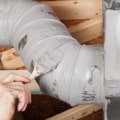
Duct seal putty plays a crucial role in the maintenance and efficiency of HVAC systems, particularly when it comes to sealing air ducts.Proper sealing is essential for ensuring that conditioned air flows efficiently throughout a building, which directly impacts energy consumption and indoor comfort levels.One of the primary applications of duct seal putty in HVAC systems is its ability to create an airtight seal around duct joints and seams. Over time, air ducts can develop leaks due to wear and tear, improper installation, or even temperature fluctuations. These leaks can lead to significant energy losses, as conditioned air escapes before reaching its intended destination. By applying duct seal putty to these vulnerable areas, homeowners and HVAC professionals can effectively minimize air loss, thereby enhancing the overall efficiency of the system.In addition to improving energy efficiency, sealing air ducts with duct seal putty also contributes to better indoor air quality.
Leaky ducts can allow dust, allergens, and other contaminants to enter the airflow, which can negatively affect the health of occupants. By ensuring that ducts are properly sealed, duct seal putty helps maintain cleaner air within living spaces.Moreover, duct seal putty is particularly advantageous in situations where traditional adhesives or sealants may not be suitable. Its non-toxic composition makes it safe for use in residential environments, while its flexibility allows it to adhere to a variety of surfaces without causing damage. This versatility is especially beneficial in older homes where ductwork may be made from different materials.Regular maintenance of HVAC systems is vital for long-term performance.
Incorporating duct seal putty into routine inspections can help identify potential issues before they escalate into costly repairs. For instance, during seasonal maintenance checks, HVAC technicians can apply duct seal putty to any identified leaks or weak points in the ductwork. This proactive approach not only extends the lifespan of the HVAC system but also ensures optimal performance year-round.In summary, the applications of duct seal putty in HVAC systems are extensive and vital for maintaining efficiency and indoor air quality. By effectively sealing air ducts, this versatile material helps prevent energy loss and enhances the overall comfort of living spaces.
Using Duct Seal Putty for Electrical Connections
Duct seal putty is not only a versatile sealing agent for air ducts but also plays a crucial role in protecting electrical connections from moisture and environmental factors.Its unique properties make it an ideal choice for various electrical applications, ensuring safety and reliability.One of the primary uses of duct seal putty in electrical work is to create a moisture barrier around outlets, switches, and junction boxes. This is particularly important in areas prone to humidity or water exposure, such as basements, kitchens, and bathrooms. By applying duct seal putty around these electrical components, you can significantly reduce the risk of water infiltration, which can lead to short circuits or electrical failures.
Benefits of Using Duct Seal Putty for Electrical Connections
- Moisture Resistance: Duct seal putty is designed to repel moisture effectively. Its non-toxic composition ensures that it does not degrade over time, maintaining its protective qualities even in damp environments.
- Non-Conductive Properties: One of the standout features of duct seal putty is its non-conductive nature.
This means it can be safely used around live electrical connections without the risk of causing shorts or other electrical hazards.
- Easy Application: The pliable texture of duct seal putty allows for easy application. It can be molded and shaped to fit snugly around various electrical components, ensuring a tight seal that prevents moisture ingress.
- Reusability: If adjustments are needed or if you need to access the electrical connections again, duct seal putty can be easily removed and reapplied without losing its effectiveness.
Its unique properties not only enhance safety but also contribute to the longevity and reliability of your electrical systems.
Duct Seal Putty in Plumbing Applications
Duct seal putty, while primarily recognized for its effectiveness in HVAC applications, also finds a niche in the plumbing sector. Its unique properties make it suitable for certain plumbing tasks, although it is essential to understand its limitations to ensure optimal performance and safety.One of the primary uses of duct seal putty in plumbing is for sealing plumbing fixtures. This includes applications such as:- Faucet Installations: When installing faucets, duct seal putty can be applied around the base to create a watertight seal. This helps prevent leaks that could lead to water damage over time.
- Drain Connections: Duct seal putty can be used to seal connections between drain pipes and fixtures, ensuring that water flows smoothly without any leaks.
- Showerheads and Hose Attachments: For showerheads or hose attachments that may not have a perfect fit, duct seal putty can fill gaps and provide a reliable seal against moisture.
Specifically, it should not be used in areas where there is significant water pressure. For instance:
- High-Pressure Water Supply Lines: Duct seal putty is not designed to withstand the pressure found in threaded or threadless water supply pipes. Using it in these situations could lead to catastrophic failures and leaks.
- Hot Water Applications: The heat from hot water can cause duct seal putty to lose its adhesive properties, making it ineffective for sealing hot water lines.
Understanding these parameters will help ensure that duct seal putty serves its purpose effectively without compromising the integrity of plumbing systems.
How to Apply Duct Seal Putty Effectively
Applying duct seal putty effectively is crucial for ensuring a strong, long-lasting seal. Whether you are sealing air ducts, protecting electrical connections, or addressing minor plumbing issues, following the right steps can make all the difference. Here’s a comprehensive guide on how to apply duct seal putty properly.Step 1: Prepare the Surface
- Ensure that the surface where you will apply the duct seal putty is clean and dry. Remove any dust, grease, or debris that may hinder adhesion.
- If necessary, use a mild detergent and water to clean the area, then allow it to dry completely.
Step 2: Measure and Cut
- Determine how much duct seal putty you will need based on the size of the gap or seam you are sealing.
- Cut off a piece of putty from the roll or container.
It’s better to start with a smaller amount, as you can always add more if needed.
Step 3: Knead the Putty
- Knead the duct seal putty in your hands until it becomes pliable and warm. This makes it easier to mold and apply.
- Ensure that it is well-mixed and free of any hard spots.
Step 4: Apply the Putty
- Press the kneaded putty firmly into the gap or seam you wish to seal. Use your fingers to spread it evenly across the surface.
- For air ducts, ensure that you cover all seams thoroughly to prevent air leaks.
- If sealing electrical connections, wrap the putty around the connection points securely.
Step 5: Smooth and Shape
- Use your fingers or a tool to smooth out the surface of the putty for a neat finish. This helps in achieving an airtight seal.
- If necessary, shape it to fit snugly into corners or irregular surfaces.
Step 6: Allow to Set
- Duct seal putty does not require curing time like some other sealants; however, it’s best to avoid disturbing it for at least an hour after application.
- This allows it to adhere properly and form a strong bond with the surfaces.
Best Practices for Application:
- Always wear gloves when handling duct seal putty to keep your hands clean and avoid any skin irritation.
- If working in tight spaces, consider using tools like a putty knife for better precision.
- Store any unused duct seal putty in a cool, dry place to maintain its pliability for future use.
Common Mistakes to Avoid When Using Duct Seal Putty
When working with duct seal putty, it’s essential to understand the common pitfalls that can undermine its effectiveness.By avoiding these mistakes, you can ensure a proper seal and maximize the benefits of this versatile material.
- Neglecting Surface Preparation: One of the most significant errors is failing to prepare the surface adequately. Duct seal putty adheres best to clean, dry surfaces. Before application, ensure that the area is free from dust, grease, and moisture. A quick wipe-down with a cloth can make a substantial difference in adhesion.
- Applying Too Thinly: Some users may underestimate the amount of putty needed for a proper seal.
Applying a thin layer may seem sufficient, but it can lead to air leaks over time. Aim for a generous application that fills gaps and creates a robust barrier against air and moisture.
- Ignoring Temperature Conditions: Temperature plays a crucial role in the performance of duct seal putty. Applying it in extreme temperatures—either too hot or too cold—can affect its adhesion properties. Ideally, use duct seal putty in moderate temperatures to ensure optimal performance.
- Overlooking Reapplication: While duct seal putty is designed to be durable, it’s not immune to wear and tear.
Regularly inspect areas where it has been applied, especially in high-traffic or high-use zones. If you notice any signs of deterioration or peeling, reapply the putty to maintain an effective seal.
- Using on High-Pressure Plumbing: Although duct seal putty is excellent for many applications, it should not be used on high-pressure plumbing systems. This can lead to leaks and potential damage. Reserve its use for low-pressure areas or non-pressurized applications.
- Failing to Test Seals: After applying duct seal putty, it’s crucial to test the seals for effectiveness.
This can be done by checking for air leaks or moisture ingress after installation. If any issues are detected, address them promptly by adding more putty or redoing the application.
Frequently Asked Questions about Duct Seal Putty
When it comes to duct seal putty, many users have questions regarding its applications, effectiveness, and safety. Below are some of the most frequently asked questions that can help clarify any uncertainties you may have about this versatile sealing compound.What is duct seal putty made of?
Duct seal putty is primarily composed of a soft, pliable material that is non-toxic and free from harmful substances like asbestos.Its formulation allows it to adhere effectively to various surfaces, making it an ideal choice for sealing air ducts and protecting electrical connections.
Can duct seal putty be used outdoors?
While duct seal putty is designed for indoor use, it can be used outdoors in certain conditions. However, it is essential to ensure that the surface is clean and dry before application. Exposure to extreme weather conditions may affect its longevity, so it's advisable to check the manufacturer's guidelines for outdoor use.How long does duct seal putty last?
The longevity of duct seal putty largely depends on the conditions in which it is used. When applied correctly in a suitable environment, it can last for several years without drying out or losing its adhesive properties.Regular inspections are recommended to ensure that the seal remains intact.
Is duct seal putty safe for electrical applications?
Yes, duct seal putty is safe for use in electrical applications. Its non-conductive nature makes it an excellent choice for sealing around electrical outlets and switches, providing protection against moisture and dust without posing any risk of electrical shorts.Can I remove and reuse duct seal putty?
One of the significant advantages of duct seal putty is its reusability. It can be easily removed, reshaped, and reapplied as needed. This feature makes it particularly useful for temporary repairs or adjustments in HVAC systems and plumbing.What are the limitations of using duct seal putty?
While duct seal putty is versatile, it does have limitations.It is not suitable for high-pressure water applications or sealing threaded pipes that experience significant water flow. It is best used in low-pressure situations or for sealing around appliances where moisture resistance is required.If you have more questions about duct seal or need specific advice on its applications, consulting with a professional in HVAC or plumbing can provide tailored guidance based on your needs.
Conclusion: The Importance of Duct Seal Putty in Maintenance and Repair Work
In summary, duct seal putty emerges as an indispensable tool in the realms of HVAC maintenance and plumbing repairs. Its unique properties and versatile applications make it a go-to solution for professionals and DIY enthusiasts alike. Throughout this guide, we have explored the multifaceted uses of duct seal putty, highlighting its effectiveness in creating airtight seals, protecting electrical connections, and even assisting in plumbing tasks.One of the most significant advantages of duct seal putty is its ability to form a durable bond with various surfaces.This characteristic not only enhances the efficiency of HVAC systems by preventing air leaks but also contributes to improved indoor air quality. By blocking dust and moisture from infiltrating air ducts, duct seal putty plays a crucial role in maintaining a healthy living environment.Moreover, its non-toxic and non-corrosive nature ensures that it can be safely used around sensitive materials without causing damage. This makes it particularly valuable for electrical applications, where protecting outlets and switches from moisture is essential for safety and functionality.While duct seal putty is not suitable for high-pressure plumbing applications, its ability to repel moisture makes it an excellent choice for sealing low-pressure areas. This feature is particularly beneficial during the installation of appliances like washing machines or dishwashers, where preventing leaks is paramount.Incorporating duct seal putty into your maintenance toolkit not only streamlines repair processes but also enhances the longevity of your HVAC systems and plumbing fixtures.
Its ease of use allows for quick application and reapplication, making it a practical choice for ongoing maintenance tasks.Ultimately, whether you are a seasoned professional or a homeowner tackling DIY projects, recognizing the importance of duct seal putty can lead to more effective repairs and improved system performance. By ensuring that you have this versatile product on hand, you can address potential issues proactively, saving time and money in the long run.